Blog

  • Why Nepal Continues to Attract Experienced Trekkers?

    Why Nepal Continues to Attract Experienced Trekkers?

    Introduction

    Experienced trekkers don’t settle for average. They’ve already walked the popular paths and now crave something deeper—higher altitudes, fewer people, tougher terrain, and raw beauty. Nepal meets all of those expectations. In fact, many who’ve trekked across continents still find Nepal unmatched for its diversity, difficulty, and spiritual energy.


    1. Endless Routes for Advanced Exploration

    Nepal’s Himalayas offer dozens of trails beyond the well-known routes like Everest Base Camp or the Annapurna Circuit. For those who want less-traveled paths and real adventure, the country delivers. Treks like the Makalu Base Camp, Upper Dolpo, Kanchenjunga Circuit, and Great Himalayan Trail sections challenge the mind and body while offering true solitude.


    2. High-Altitude Challenges

    Experienced trekkers often seek the thrill of crossing technical mountain passes and reaching extreme elevations. Nepal has some of the world’s most demanding trekking routes:

    • Three Passes Trek (Everest region) – Renjo La, Cho La, and Kongma La, all above 5,000m
    • Tsho Rolpa and Yalung Ri – a hidden alpine experience few attempt
    • Tilman Pass – a remote crossing that demands navigation skills and endurance

    3. Opportunities for Alpine Style and Fastpacking

    Skilled hikers often want to carry less and move faster. Nepal allows that style of trekking in many regions with well-placed teahouses. Routes like Langtang Valley, Manaslu Circuit, and Nar Phu Valley are ideal for lightweight alpine trekking or fastpacking. For those comfortable with minimal gear and basic conditions, this opens up new possibilities.


    4. Culture and Connection Beyond the Trail

    Veteran trekkers know that trekking isn’t just about distance or height—it’s about connection. Nepal offers encounters with high-altitude communities living traditional lives. Monasteries in the Khumbu or Dolpo, ancient salt trade routes near Mustang, and timeless farming villages in Rolwaling bring more than scenery—they add meaning.


    5. Combining Trekking with Peak Climbing

    Many experienced hikers in Nepal take the next step into trekking peaks. These are non-technical climbs under 7,000m that still require ice axes, crampons, and basic mountaineering skills. Examples include:

    • Island Peak (6,189m)
    • Mera Peak (6,476m)
    • Lobuche East (6,119m)

    These offer the perfect bridge between trekking and mountaineering.


    6. Logistics Still Matter

    Even seasoned trekkers need to plan around:

    • Permit complexity (some remote regions require multiple permits)
    • Weather risks (monsoon landslides, winter snow closures)
    • Health precautions (altitude meds, water safety)
    • Communication tools (satellite messengers in remote zones)

    Advanced trekkers often handle these independently, but local guides and agencies can help navigate changing regulations or unexpected conditions.


    Conclusion

    Nepal remains the ultimate playground for experienced trekkers. Whether it’s exploring forgotten valleys, climbing peaks, or crossing glaciers alone, the country keeps offering new goals and fresh perspectives. It’s no surprise that so many seasoned adventurers return again and again—not to repeat, but to evolve.
  • What to Pack for Trekking in Nepal

    What to Pack for Trekking in Nepal

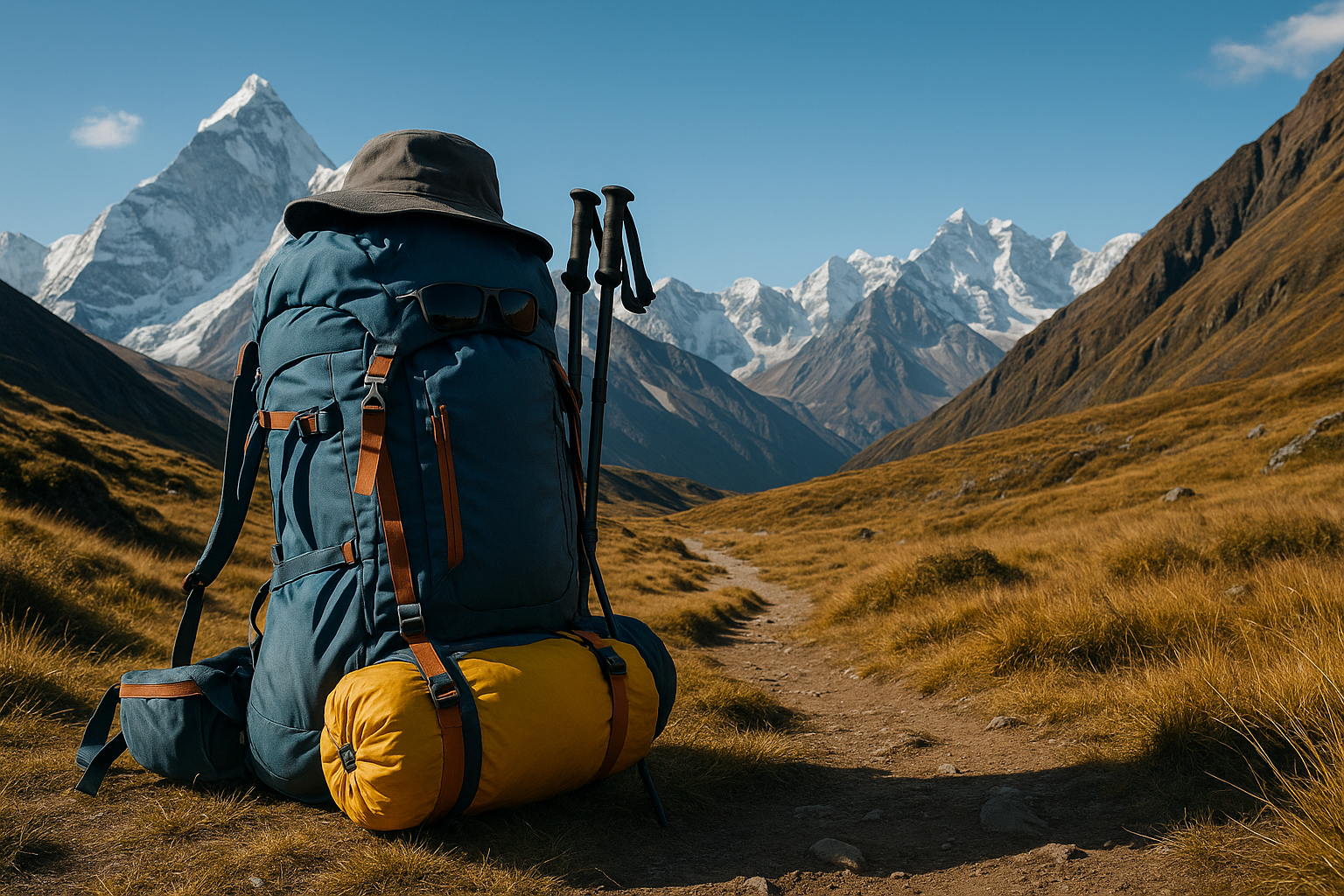
    Packing for a trek in Nepal is all about balance. Carry too much and your backpack becomes a burden. Bring too little and you risk being unprepared for mountain weather. Whether you’re going to Everest Base Camp or a short trek in the Annapurnas, this guide will help you pack smart.


    Clothing Essentials

    Base Layers

    • 2 moisture-wicking T-shirts
    • 1 thermal top and bottom for cold nights

    Insulation

    • Fleece jacket or light down jacket
    • Wool or synthetic sweater

    Outer Layers

    • Waterproof and windproof jacket
    • Waterproof trekking pants or shell trousers

    Bottoms

    • 2 pairs of trekking trousers
    • 1 pair of shorts (for lower altitudes)

    Underwear and Socks

    • 4–5 pairs of wool/synthetic trekking socks
    • Quick-dry underwear (5–6 pairs)

    Head and Handwear

    • Warm beanie or hat
    • Buff or scarf
    • Lightweight gloves + insulated gloves

    Footwear

    • Well-broken-in trekking boots (waterproof preferred)
    • Camp sandals or slippers for evenings
    • Gaiters (optional for snow or dusty trails)

    Gear Checklist

    • 40–60L trekking backpack (with rain cover)
    • Daypack (if using porter)
    • Sleeping bag (rated for -10°C to -20°C depending on season)
    • Headlamp with extra batteries
    • Water bottles or hydration bladder
    • Water purification tablets or filter
    • Trekking poles (highly recommended)
    • Sunglasses with UV protection
    • Quick-dry towel

    Toiletries and Health Items

    • Sunscreen (SPF 30+) and lip balm
    • Toothbrush and small toothpaste
    • Wet wipes and hand sanitizer
    • Small bar soap or body wash
    • Personal medications
    • First aid kit (bandages, rehydration salts, blister treatment)
    • Altitude sickness medicine (Diamox or as advised by your doctor)

    Documents and Essentials

    • Passport and copies
    • Permits (TIMS, national park entry, rural municipality card)
    • Local cash (ATMs are rare on trails)
    • Travel insurance copy
    • Trek map or offline GPS app
    • Pen and small notebook

    Optional but Useful

    • Snacks like trail mix, chocolate bars, or energy gels
    • Power bank or solar charger
    • Lightweight book or Kindle
    • Packing cubes or dry bags
    • Lightweight rain poncho
    • Duct tape (for quick fixes)

    Tips on Packing Smart

    • Keep weight under 10–12 kg for comfort
    • Use layers to adapt to changing weather
    • Avoid cotton—it dries slowly and holds sweat
    • Don’t overpack toiletries. You can buy basics in Kathmandu or Pokhara
    • Label your gear if trekking with a group

    Conclusion

    A successful trek starts with a well-packed bag. Nepal’s trails can be remote and unpredictable, so packing thoughtfully ensures you stay safe and comfortable. Stick to the checklist, adjust based on the season, and you’ll be ready for the adventure of a lifetime.

  • Best Time to Trek in Nepal

    Best Time to Trek in Nepal

    Introduction

    Nepal offers trekking opportunities year-round, but the experience can vary drastically depending on the season. From clear autumn skies to lush monsoon landscapes, each season brings its own advantages and challenges. Knowing what to expect helps you choose the best time to go.


    1. Autumn (Mid-September to November)

    Overview:
    Autumn is the most popular trekking season in Nepal. The monsoon has just ended, so the air is clean, the skies are clear, and the mountains are fully visible.

    Pros:

    • Crystal-clear views of the Himalayas
    • Comfortable daytime temperatures
    • Ideal trail conditions
    • Major festivals like Dashain and Tihar

    Cons:

    • High tourist traffic
    • Lodges and permits may need to be booked in advance

    Best Treks:

    • Everest Base Camp
    • Annapurna Circuit
    • Langtang Valley

    2. Spring (March to May)

    Overview:
    Spring is the second most popular season. It brings warmer weather and blooming rhododendron forests, especially in lower and mid-hill regions.

    Pros:

    • Lush, colorful landscapes
    • Warmer temperatures than autumn
    • Excellent for photography and flora lovers

    Cons:

    • Clouds may build up by afternoon
    • Higher humidity compared to autumn

    Best Treks:

    • Ghorepani Poon Hill
    • Manaslu Circuit
    • Mardi Himal

    3. Winter (December to February)

    Overview:
    Winter treks are less common due to colder temperatures and snow at higher altitudes. However, it’s a great time for lower-altitude treks with fewer tourists.

    Pros:

    • Clear skies and quiet trails
    • Best for short treks below 3,000 meters
    • Budget-friendly (low season discounts)

    Cons:

    • Extremely cold nights
    • Many high passes and remote routes are closed

    Best Treks:

    • Ghandruk Trek
    • Chisapani–Nagarkot Trail
    • Lower Mustang

    4. Monsoon (June to Mid-September)

    Overview:
    The monsoon season brings heavy rain, leeches, and landslides, making most trails difficult and risky. Still, some rain-shadow areas offer great trekking even during this time.

    Pros:

    • Lush green landscapes
    • Fewer tourists
    • Unique photography opportunities

    Cons:

    • Slippery and muddy trails
    • Limited mountain visibility
    • Risk of landslides and flight cancellations

    Best Treks (Rain-Shadow Regions):

    • Upper Mustang
    • Dolpo Region
    • Nar Phu Valley

    Conclusion

    The best time to trek in Nepal depends on your preferences and the type of adventure you’re looking for. Autumn and spring are ideal for classic treks with great views and stable weather. Winter is best for peaceful low-altitude treks, while monsoon is reserved for offbeat routes in dry regions. Choose wisely and your trekking experience in Nepal will be unforgettable.

  • Why Trekking in Nepal is a Once-in-a-Lifetime Experience

    Why Trekking in Nepal is a Once-in-a-Lifetime Experience

    Introduction

    Nepal is more than just the land of Mount Everest. It is a country where ancient trails lead to towering peaks, where village life continues untouched by modern chaos, and where each step feels like a story. Trekking in Nepal isn’t just about covering distance. It’s about discovering a deeper sense of place and purpose.


    1. Breathtaking Mountain Scenery

    Nepal is home to eight of the world’s ten tallest mountains, including Everest, Annapurna, and Kanchenjunga. Trekking routes offer close-up views of snow-covered peaks, glaciers, alpine lakes, and dramatic ridgelines. Whether you’re hiking to Everest Base Camp or exploring remote trails in Dolpo, the Himalayan landscape never fails to amaze.


    2. Rich Cultural Encounters

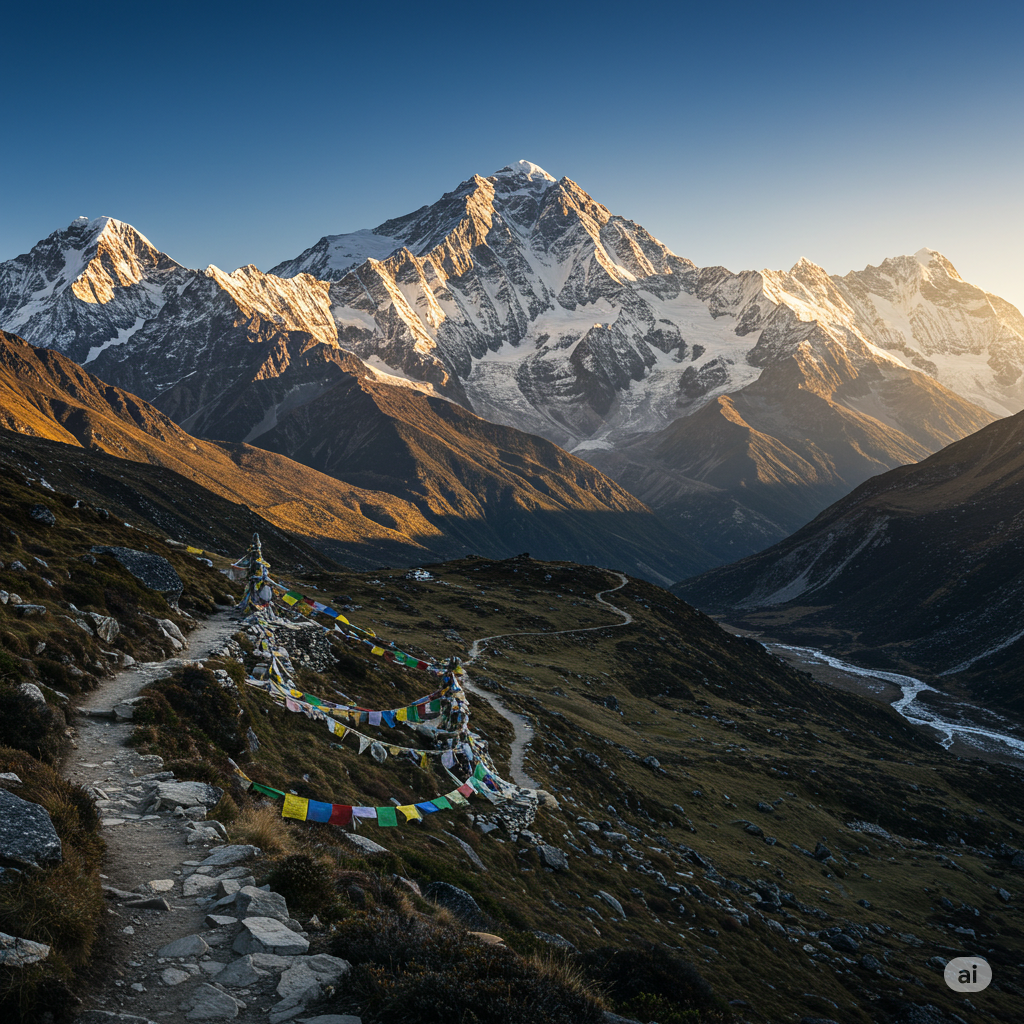
    Nepal’s trails pass through traditional villages inhabited by Sherpa, Gurung, Tamang, and other ethnic communities. Along the way, you’ll see monasteries, prayer wheels, and colorful prayer flags fluttering in the wind. Sharing meals with locals or observing their festivals adds deep cultural meaning to your trek.


    3. Trails for Every Experience Level

    Nepal offers trekking routes for everyone, from beginners to seasoned mountaineers. You can enjoy an easy 4-day walk to Ghorepani or take on a challenging 3-week expedition across high passes. Trekking grades help match routes to your ability and interests, making planning simple and safe.


    4. Affordable Adventure

    Compared to other popular trekking destinations, Nepal remains budget-friendly. From low-cost teahouse accommodations to affordable permits, the country provides excellent value. You can enjoy a world-class trekking experience without breaking the bank.


    5. Warm Hospitality and Safe Environment

    Nepali people are known for their kindness and hospitality. From the moment you arrive, you’re treated not just as a visitor but as a guest. Guides, porters, and villagers often go the extra mile to help you. The trekking infrastructure is well established, and most popular routes have easy access to help in case of emergencies.


    6. Sense of Achievement and Inner Peace

    There’s a certain clarity that comes with walking for hours in nature, disconnected from the digital world. Trekkers often return from Nepal with more than photos. They bring home a sense of achievement, resilience, and peace. Whether you reach a famous base camp or just wander in the hills, the journey is always worth it.


    Conclusion

    Nepal is not just a destination. It is an experience that speaks to the soul. The combination of nature, culture, challenge, and simplicity makes trekking here unlike anything else. If you’ve ever dreamed of a true adventure, trekking in Nepal should be at the top of your list.

  • Understanding Trekking Grades of Nepal, Complete Guide to Trip Difficulty Levels

    Understanding Trekking Grades of Nepal, Complete Guide to Trip Difficulty Levels

    1. Easy Trekking – Grade A (*)

    Altitude: Up to 3,000 meters
    Duration: Around 1 week
    Difficulty: Low

    Easy-grade treks are suitable for families, beginners, and travelers who prefer comfortable hiking. Trails are gentle, non-technical, and safe for all age groups. These routes usually pass through villages and offer great views without the strain of high elevation.

    Popular Routes:

    • Ghorepani Poon Hill
    • Ghandruk Loop
    • Shivapuri Nature Trail

    2. Moderate Trekking – Grade B ()**

    Altitude: Up to 5,000 meters
    Duration: 7 to 15 days
    Difficulty: Moderate

    Moderate treks are best for those with average fitness and some hiking experience. The altitude can reach 5,000 meters, so acclimatization is important. Trails may involve a mix of uphill climbs, ridgelines, and longer walking days.

    Popular Routes:

    • Annapurna Base Camp
    • Langtang Valley
    • Mardi Himal

    3. Strenuous Trekking – Grade C (*)**

    Altitude: 5,000 to 5,500 meters
    Duration: 12 to 20 days
    Difficulty: Challenging

    Strenuous treks combine tough terrain with high altitude. Daily hikes last 6 to 7 hours, and weather conditions can change quickly. You need good physical condition and some high-altitude experience. If you have medical conditions like asthma or high blood pressure, consult a doctor before trekking.

    Popular Routes:

    • Everest Base Camp
    • Manaslu Circuit
    • Tilicho Lake

    4. Very Strenuous Trekking – Grade D (****)

    Altitude: 4,000 to 6,000 meters
    Duration: 15 to 25 days
    Difficulty: Very high

    These treks require strong endurance, physical training, and mental readiness. Trails include high Himalayan passes, steep inclines, and cold, thin air. You may use basic climbing gear like crampons or ropes. Acclimatization days are essential.

    Popular Routes:

    • Three Passes Trek
    • Dhaulagiri Circuit
    • Amphu Lapcha Pass

    5. Technical Challenging Trek – Grade E (*)

    Altitude: Up to and above 6,000 meters
    Duration: 15 to 25+ days
    Difficulty: Extreme

    Technical trekking is suited only for advanced trekkers and climbers. It often involves rope climbing, glacier crossing, and use of equipment like ice axes and harnesses. These trips border on mountaineering and require serious preparation, proper gear, and licensed guides.

    Popular Routes:

    • Mera Peak
    • Island Peak
    • Chulu West

    Conclusion

    Understanding the trekking grade helps you choose a route that matches your fitness, interest, and adventure level. Nepal offers trails for all kinds of travelers, from easy scenic walks to intense high-altitude expeditions. Knowing your limits ensures a safe and memorable journey in the Himalayas.

  • Rhododendron in Nepal – The Bloom of High Spirits

    Rhododendron in Nepal – The Bloom of High Spirits

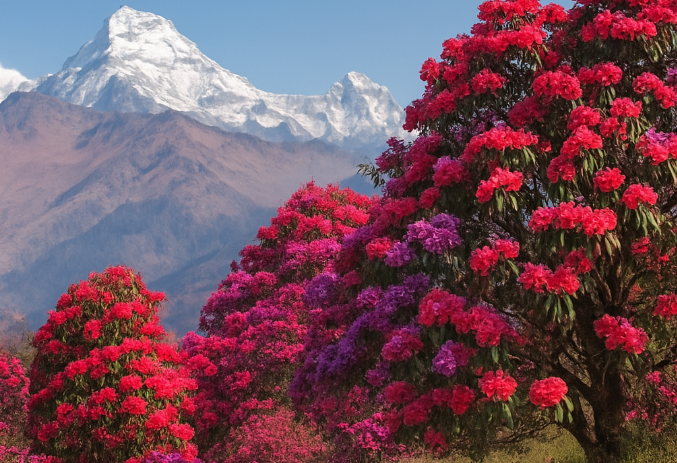
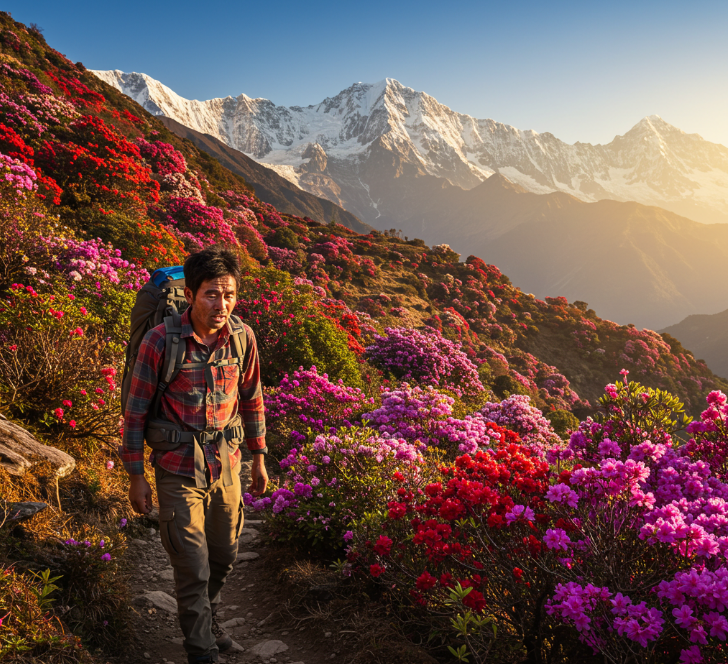
    Nepal, a land of towering mountains and rich biodiversity, proudly embraces the rhododendron as its national flower. Known as Lali Gurans in Nepali, this iconic bloom is much more than a pretty sight—it’s a symbol of natural beauty, cultural identity, and seasonal change. Every spring, Nepal’s hills and lower Himalayan slopes come alive with the spectacular burst of red, pink, purple, and white rhododendron flowers, offering one of the most breathtaking natural displays in the region.

    Rhododendrons grow abundantly between altitudes of 2,000 and 4,000 meters, thriving in the cool, moist climate of Nepal’s mid-hills. The country boasts over 30 recorded species of rhododendron, making it one of the richest regions in the world for this flowering genus. The most famous among them is Rhododendron arboreum, the tree rhododendron with striking crimson flowers, which was declared Nepal’s national flower in 1961.

    Trekking through rhododendron forests is one of the highlights of springtime travel in Nepal. Popular trekking routes such as the Ghorepani Poon Hill, Annapurna Base Camp, Langtang Valley, and parts of the Makalu Barun and Kanchanjunga regions are known for their vibrant rhododendron blooms between March and May. As you ascend the trails, you’ll pass through lush forests where rhododendron trees stand tall like guardians of the trail, casting colorful shadows and filling the air with a gentle floral fragrance.

    Beyond their aesthetic appeal, rhododendrons also hold cultural significance in Nepal. The flowers are used in religious offerings, traditional medicine, and even local cuisine—certain species are known for their edible petals, which are made into pickles or brewed into refreshing drinks. For many communities living in the hills, the arrival of rhododendron flowers signals the end of winter and the beginning of a more fertile season.

    At High Spirit Treks, we believe in journeys that touch both the eyes and the soul. Walking through rhododendron-covered hills, with towering peaks in the distance and blossoms at your feet, brings a sense of peace and wonder that words struggle to describe. Whether you’re an experienced hiker or a nature enthusiast, witnessing Nepal’s rhododendrons in bloom is a once-in-a-lifetime experience—one that reflects the spirit of the Himalayas and the warmth of the people who live among them.

    Come trek with us and let the rhododendrons lead the way.

  • Trekking in Nepal on a Budget

    Trekking in Nepal on a Budget

    Nepal is budget-friendly, but costs can add up quickly on the trails. Whether you’re a student or just looking to save, here’s how to trek smart without compromising on experience.

    Typical Costs (per person per day):

    • Permits: $30–50 depending on the region (TIMS + National Park)
    • Accommodation: $5–15 (basic to mid-range teahouse)
    • Meals: $10–20 (Dal Bhat costs less in lower altitudes)
    • Guide/Porter (Optional): $20–30 for a guide, $15–20 for a porter
    • Transportation: $5–50 depending on bus, jeep, or flight

    Total Estimated Budget:

    • Shoestring Trekker (DIY, No Guide): ~$30/day
    • Moderate Trekker (With Guide): ~$50–60/day
    • Comfort Trekker (Private Room + Guide + Extras): ~$80/day

    Tips to Save Money:

    • Bring a reusable water bottle with a filter
    • Eat local (Dal Bhat is unlimited)
    • Trek in a group to share guide and porter costs
    • Avoid bottled water and junk food on the trail
  • Annapurna Circuit Trek: What to Expect in 2025

    Annapurna Circuit Trek: What to Expect in 2025

    Once considered the ultimate trek in Nepal, the Annapurna Circuit has evolved over the years. With road development reaching parts of the trail, many wonder if it’s still worth it. The answer is yes — absolutely. In 2025, the circuit still offers a raw, breathtaking journey through diverse terrain and cultures.

    Route Overview:

    • Starting Point: Besisahar or Bhulbhule
    • Ending Point: Jomsom, Pokhara, or Nayapul
    • Highest Point: Thorong La Pass (5,416 m)
    • Duration: 12–18 days depending on route and side trips

    What’s New in 2025:

    • Improved teahouses with Wi-Fi and hot showers.
    • Trekking without a guide is now restricted in certain sections.
    • New off-road detours avoid dusty jeep trails, preserving the old trail’s charm.

    Highlights:

    • Crossing the dramatic Thorong La Pass
    • Exploring Manang and its monasteries
    • Soaking in the hot springs of Tatopani
    • Visiting Muktinath Temple — sacred to both Hindus and Buddhists
  • Top 10 Treks in Nepal for 2025: Your Ultimate Adventure Guide

    Top 10 Treks in Nepal for 2025: Your Ultimate Adventure Guide

    Nepal remains one of the world’s top trekking destinations, and for good reason. The trails here wind through majestic peaks, ancient villages, and deep cultural heritage. If you’re planning your next adventure in 2025, here are the top 10 treks in Nepal you shouldn’t miss.

    Top 10 Treks for 2025:

    1. Everest Base Camp Trek – A classic journey to the base of the world’s tallest mountain.
    2. Annapurna Circuit Trek – A high-altitude circuit with drastic scenery changes and cultural richness.
    3. Langtang Valley Trek – Shorter, underrated, and perfect for those tight on time.
    4. Manaslu Circuit Trek – Remote and challenging, but growing in popularity.
    5. Mardi Himal Trek – A hidden gem with dramatic mountain views and fewer crowds.
    6. Upper Mustang Trek – Explore the “Forbidden Kingdom” near Tibet.
    7. Gokyo Lakes Trek – Ideal for those who want Everest views without the crowd.
    8. Helambu Trek – Close to Kathmandu and great for cultural immersion.
    9. Kanchenjunga Base Camp Trek – Nepal’s wild east, less developed but breathtaking.
    10. Pikey Peak Trek – A new favorite among solo trekkers and short-time travelers.

    Tips for 2025 Trekkers:

    • Permits are now easier to apply for online.
    • Roads are expanding—expect trail detours in some regions.
    • Book early in spring and autumn; trekking is booming again post-pandemic.